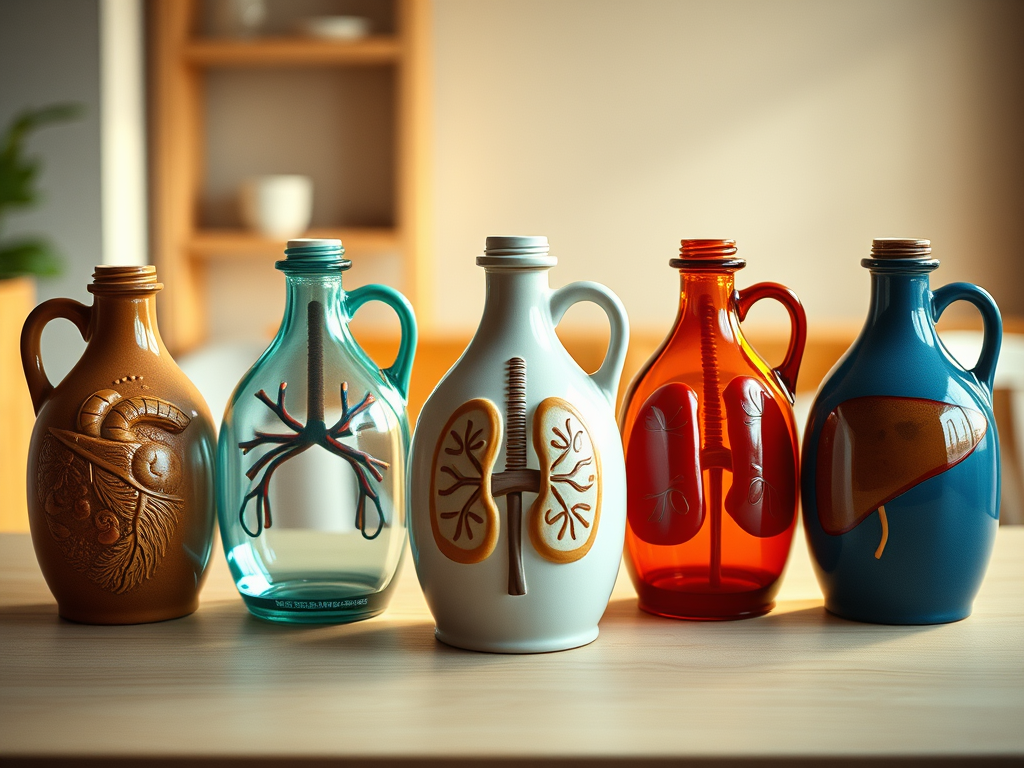
“OrganiQ Series”
In Traditional Medicine (TCM), physical health is closely connected to emotional well-being. Each organ in the body not only has physiological functions but also governs specific emotions. When an organ is in balance, positive emotions are expressed. However, if the organ is imbalanced, negative emotions may dominate, leading to both emotional and physical symptoms. Understanding these connections can help us maintain holistic health.
“OrganiQ Series”
1. Heart
- Positive Emotions: Joy, Self-respect
- Imbalance Emotions: Arrogance, Lack of enthusiasm, Depression, Anxiety, Nervousness, Confusion, Insomnia
- Organ Function: Regulates blood flow, ensures a steady heartbeat, influences vitality and spirit. The heart is also linked to the tongue, complexion, and arteries.

Common Symptoms of Imbalance:
- Heart diseases, irregular heartbeat, palpitations
- Mental disorders like manic depression, insomnia, or speech issues (e.g., stuttering)
- Nervousness, despair, memory issues, confusion
- Sweating, emotional instability, urinary tract inflammation
Practical Tips:
- Meditation and Breathing Exercises: Practices like mindfulness or deep breathing can calm the heart, helping reduce anxiety and improve sleep.
- Focus on Self-care: Engage in activities that spark joy and reduce arrogance or stress, like spending time in nature or journaling.
2. Spleen
- Positive Emotions: Satisfaction, Compassion, Sincerity, Spontaneity
- Imbalance Emotions: Worry, Overthinking, Mental exhaustion
- Organ Function: Oversees digestion, nutrient absorption, blood production, and qi (life energy). It plays a role in memory, thinking, and studying, and is connected to muscles and lips.

Common Symptoms of Imbalance:
- Poor appetite, fatigue, diarrhea, acid reflux, or hemorrhoids
- Muscle weakness, sagging skin (e.g., face, breasts, stomach)
- Bruising easily, excessive menstruation, dry or cracked lips
- Excessive worry, cyclical thinking, dissatisfaction.
Practical Tips:
- Mindful Eating: Eat warm, cooked foods to support spleen function and digestion. Avoid cold, raw meals that can dampen spleen energy.
- Grounding Activities: Engaging in light physical exercise like walking or yoga helps reduce overthinking and promotes mental clarity.
3. Lungs
- Positive Emotions: Courage, Forgiveness, Gratitude, Strength
- Imbalance Emotions: Grief, Depression, Lack of interest, Uncontrollable crying
- Organ Function: Controls breathing, creates energy from air, regulates skin moisture, and protects the body from pathogens. It also influences sweating.

Common Symptoms of Imbalance:
- Respiratory issues (e.g., coughing, shortness of breath)
- Skin conditions like dryness or rashes
- Waking up between 3 and 5 am, frequent colds, or viral infections
- Chronic sadness, inability to forgive, excessive attachment to people or situations
Practical Tips:
- Breathwork: Practicing diaphragmatic breathing or qi gong can strengthen lung function and help process emotions like grief.
- Detoxifying the Lungs: Spending time in fresh air, practicing proper posture, and drinking warm herbal teas like ginger or mulberry leaf can help cleanse the lungs.
4. Kidneys
- Positive Emotions: Gentleness, Peace, Stillness
- Imbalance Emotions: Fear, Stress, Fatigue, Insecurity, Loneliness, Lack of willpower
- Organ Function: Responsible for reproduction, growth, and development. The kidneys are connected to bones, teeth, hearing, and hair, and influence longevity.

Common Symptoms of Imbalance:
- Fatigue, sensitivity to cold, back or knee pain
- Irregular menstruation, infertility, low libido
- Bone problems, hearing issues, hair loss
- Fear, stress, insecurity, and lack of motivation
Practical Tips:
- Gentle Movement: Exercises like tai chi or yoga can support kidney health by promoting balance and restoring energy.
- Warming Foods: Incorporate kidney-strengthening foods like black beans, walnuts, and warm broths to nourish and support energy.
5. Liver
- Positive Emotions: Kindness, Goodness
- Imbalance Emotions: Anger, Jealousy, Frustration, Bitterness, Irritability
- Organ Function: Stores blood, ensures the smooth flow of qi and blood throughout the body, and is linked to tendons, nails, and eyes. The liver also regulates bile secretion.
Common Symptoms of Imbalance:
- Mood swings, quick to anger or frustration
- Eye issues, PMS, menstrual cramps
- Muscle tightness, neck and shoulder pain
- Oily skin, high blood pressure, jealousy, aimlessness
Practical Tips:
- Emotion Release: Practices like journaling, counseling, or physical exercise can help release built-up anger or frustration, which supports liver health.
- Eye Health: Rest your eyes regularly and avoid overuse of screens. Eating leafy greens can support both the liver and eye function.
Combined Patterns in TCM:
Organ imbalances often occur together, and these combinations can further clarify the relationship between emotional and physical health.
- Heart & Kidneys: Imbalance leads to swings between happiness and fear, manifesting as insomnia, disturbing dreams, heart palpitations, and dizziness.
- Liver & Lungs: Imbalance between these organs can cause mood swings between anger and sadness, resulting in respiratory or digestive problems and waking between 1 and 5 am.
Practical Application: How to Maintain Emotional and Physical Balance
While emotions and physical symptoms are interconnected, lifestyle choices are crucial for maintaining balance. Here are some practical steps:
- Diet and Nutrition: Eat a balanced, whole-food diet that supports your organs. Warm, nourishing meals are generally recommended.
- Exercise: Incorporate gentle movement practices like tai chi or qi gong, which support the flow of qi and maintain organ health.
- Mindfulness and Stress Management: Meditation, journaling, and breathwork can help regulate emotions and relieve stress, promoting overall well-being.
- Self-care: Make time for activities that fulfill you emotionally and mentally. Prioritize rest and relaxation amidst a busy lifestyle.
Conclusion: The Importance of Emotional and Physical Balance
Traditional Medicine teaches that emotional and physical health are deeply intertwined. Imbalances in specific organs can lead to emotional disturbances, just as prolonged negative emotions can disrupt organ function. By paying attention to both emotional well-being and physical symptoms, we can work toward restoring balance and preventing illness. Through proper nutrition, exercise, and mindfulness practices, we support our body’s natural ability to heal and thrive.
Maintaining kindness, gentleness, and awareness in our daily lives is crucial for nurturing our body and mind, ensuring a state of harmony and balance for long-term health.
 Arkanos Energy
Leave a comment